
U.S. expands Iran sanctions to automotive and rail sectors
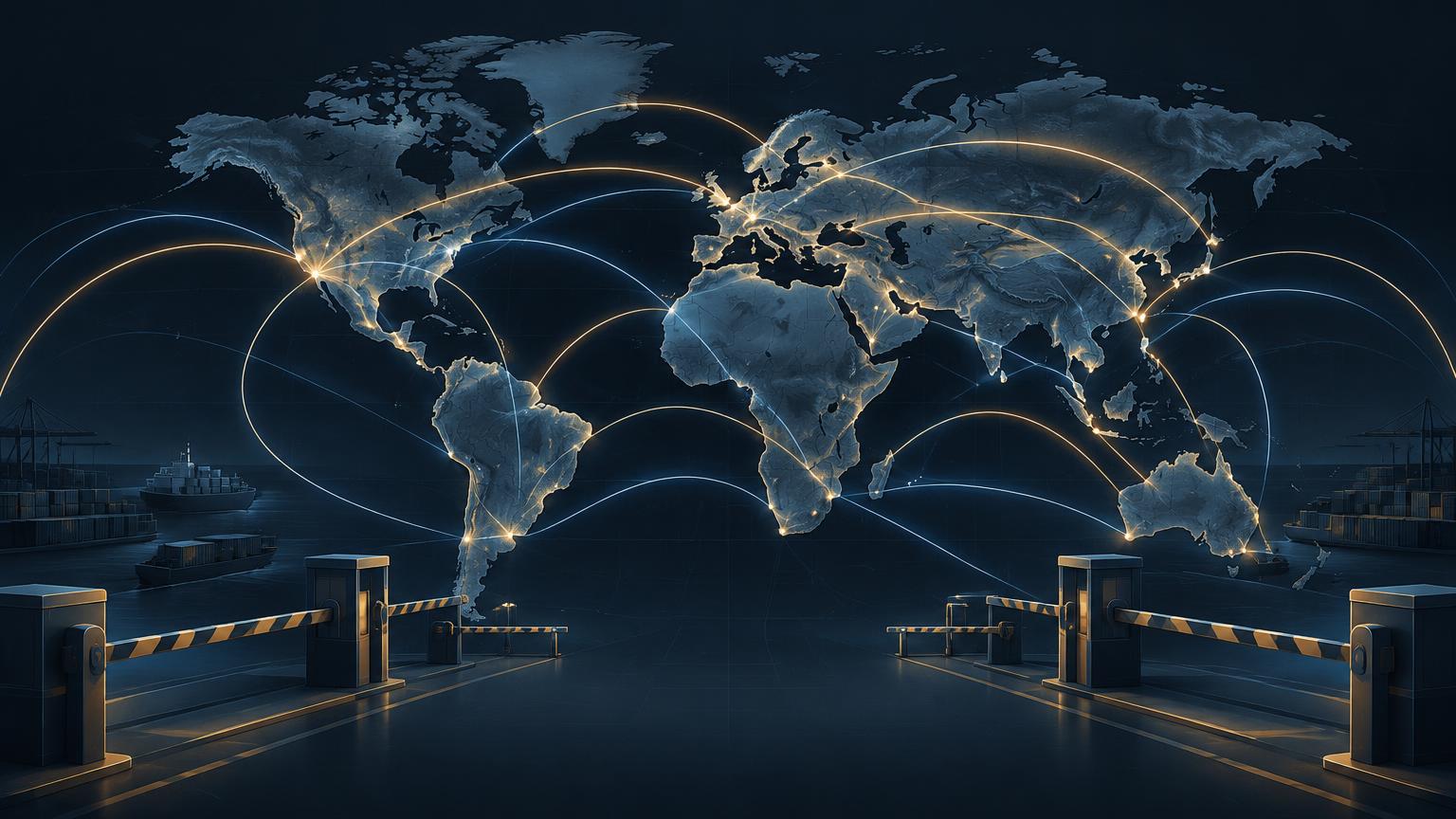
The U.S. Treasury expanded Operation Economic Outcast into Iran's automotive and rail sectors, designating the country's two dominant automakers, major railway operators and foreign suppliers and facilitators.
CHRONOS Wire · October 1 · Alert 13
- Published
- Updated
- Revision
- r497467
Cliff Notes
- Washington has formally expanded its Iran sanctions campaign into the country's dominant automakers and core railway operators, targeting alternative logistics and revenue channels as maritime pressure remains high.
The United States imposed a new sanctions package targeting Iran's automotive and railway sectors and related international supply networks. Reuters reported the action at 17:47 UTC on October 1. Treasury said Iran Khodro and SAIPA account for more than 90% of Iran's domestic auto market. The package also targets the state-owned Islamic Republic of Iran Railway Company, Raja Passenger Trains and a major private freight operator. The action is material because Washington is extending its economic pressure campaign beyond oil and shipping into transport networks that have become more important as restrictions on Iranian maritime trade have tightened.
ELI5: Plain-English Explanation
The U.S. is trying to make it harder for Iran to move goods and earn money by sanctioning major car companies and railway businesses, not just oil and shipping networks.
Why Urgent Level 3
The measures are enacted sanctions rather than proposed policy and broaden pressure onto transport infrastructure that Iran increasingly relies on for petroleum, chemicals, fertilizer and other goods.
What Changed
The U.S. Treasury formally designated major Iranian automotive and rail companies and associated foreign suppliers and facilitators under its broader pressure campaign.
What Is Genuinely New
The material threshold is the formal expansion of sanctions into Iran's automotive and rail sectors, including Iran Khodro, SAIPA and the state railway, rather than another warning or discussion of possible sanctions.
CHRONOS Bottom Line
The sanctions increase economic and logistics pressure on Iran, but their real-world impact will depend on foreign compliance, enforcement and Iran's ability to reroute trade through unsanctioned intermediaries.
Direct Effects
- U.S.-linked assets of designated entities are blocked where applicable and U.S. persons generally cannot transact with them.
- Foreign counterparties face higher sanctions and compliance risk when dealing with targeted Iranian automotive and railway networks.
- Iran's land-based freight and industrial supply chains face additional financing, insurance, procurement and settlement friction.
Indirect / Second-Order Effects
- The action may increase costs for regional trade partners and suppliers exposed to Iranian transport and automotive networks.
- Greater pressure on land logistics could reinforce scarcity and inflation inside Iran if enforcement is effective.
- Secondary-sanctions exposure may encourage foreign banks and suppliers to reduce Iran-related activity beyond the entities explicitly listed.
Market Reality Gap
The sanctions are legally significant, but immediate global market reaction may remain limited because Iran is already heavily sanctioned and market participants have partially adapted to prior restrictions.
Negative Evidence / Invalidation
- No evidence yet shows that the new measures have halted Iranian rail operations or domestic vehicle production.
- Iran has extensive experience using intermediaries and alternative payment and logistics channels to mitigate sanctions.
- The package does not by itself establish that Iran's economy or transport system is near systemic failure.
Confirmation Signals
- Major foreign banks, suppliers or logistics companies terminate relationships with designated networks.
- Documented declines in Iranian rail freight, automotive output or industrial imports follow the designations.
- Additional jurisdictions coordinate sanctions against the same transport sectors.
Invalidation Signals
- Targeted firms continue normal production and freight volumes with little measurable financing or procurement disruption.
- Foreign suppliers rapidly replace sanctioned channels without meaningful cost increases.
What Would Prove CHRONOS Wrong
If trade, financing, rail freight and automotive production remain materially unchanged despite the sanctions, the assessed economic and logistics significance would be overstated.
What Would Raise This to Level 4
- Broader secondary sanctions against banks or countries facilitating Iranian transport trade.
- Coordinated allied sanctions on Iranian rail and automotive sectors.
- Verified material disruption to Iranian freight, fuel distribution or industrial production.
What Would Lower This Alert
- Sanctions waivers or negotiated suspensions are announced.
- A diplomatic agreement materially reduces the broader U.S.-Iran economic confrontation.
- Enforcement proves limited and targeted trade normalizes.
Watch Windows
- Next 24-72 hours for foreign-government and company compliance responses.
- Next 1-4 weeks for evidence of logistics, production, trade or financing disruption.
Uncertainties / Known Unknowns
- The scale of practical enforcement outside U.S. jurisdiction is not yet known.
- The extent to which Iran can substitute suppliers, intermediaries and transport routes remains uncertain.
Detailed Analysis
This is a material implementation step in the U.S. pressure campaign because it targets transport and industrial networks that can substitute for constrained maritime channels. The legal action is confirmed; the magnitude of economic disruption is not yet established.
Section
Reuters reported that the Treasury Department imposed fresh sanctions on Iran's rail and automotive conglomerates and international suppliers. Treasury identified Iran Khodro and SAIPA as representing more than 90% of Iran's domestic auto market and designated major state and private railway operators.
Section
The sanctions target alternative logistics and revenue channels as U.S. pressure on Iranian maritime trade continues. Rail and road networks are important for moving petroleum, fertilizer, chemicals and other goods.
Section
Iran is already deeply sanctioned and has established evasion channels. CHRONOS therefore does not assume that designation alone will cause operational collapse. Observable freight, production, financing and supplier changes are required to confirm material downstream impact.
Affected Countries
- United States
- Iran
- United Arab Emirates
- Turkey
- Hong Kong
- Indonesia
- Germany
- China
Affected Industries
- Automotive
- Rail transportation
- Freight and logistics
- Industrial manufacturing
- Metals
Affected Companies
- Iran Khodro Company
- SAIPA Iranian Automobile Manufacturing Company
- Islamic Republic of Iran Railway Company
- Raja Passenger Trains Company
- Railway Transportation Company
Affected Assets
- Iranian rail freight networks
- Iranian automotive production
- Iran-related trade finance